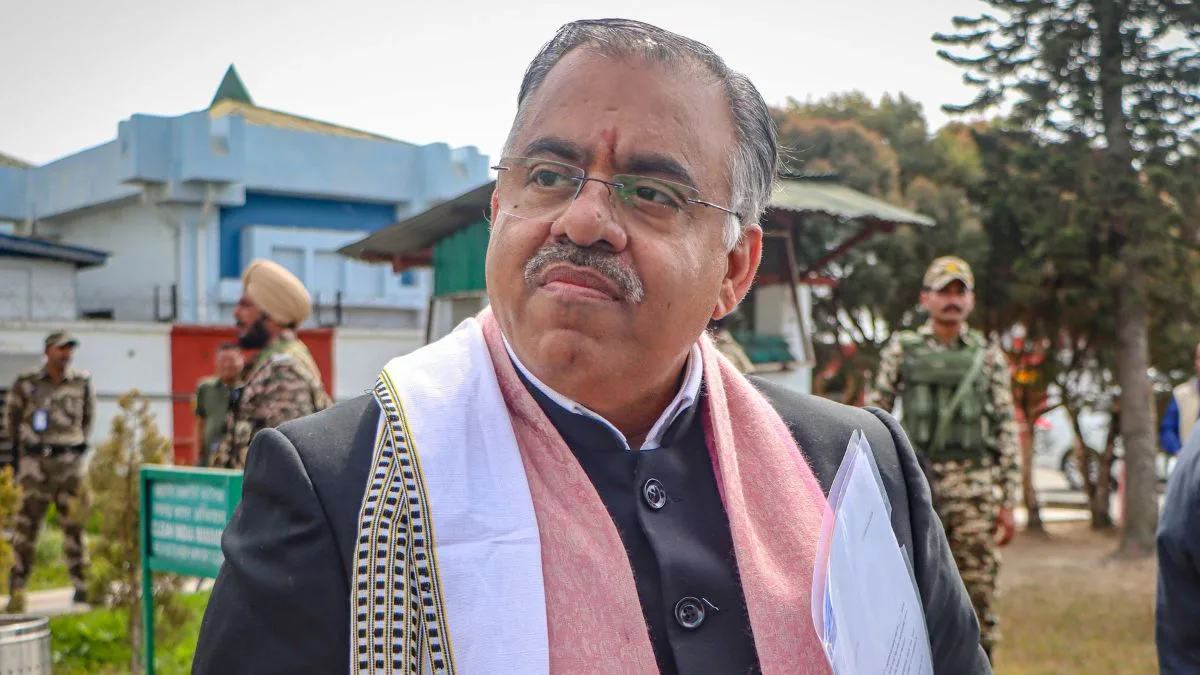
UP Dy CM Maurya escapes unhurt after helicopter makes emergency landing in Lucknow
Deputy Chief Minister Maurya was travelling by the helicopter from La Martiniere Ground in Lucknow to Kaushambi when the issue occurred.
The 2010 eruption of the Eyjafjallajökull volcano in Iceland caused widespread disruption across Europe, leaving millions of passengers stranded and losses worth around $1.7 billion to the airline industry




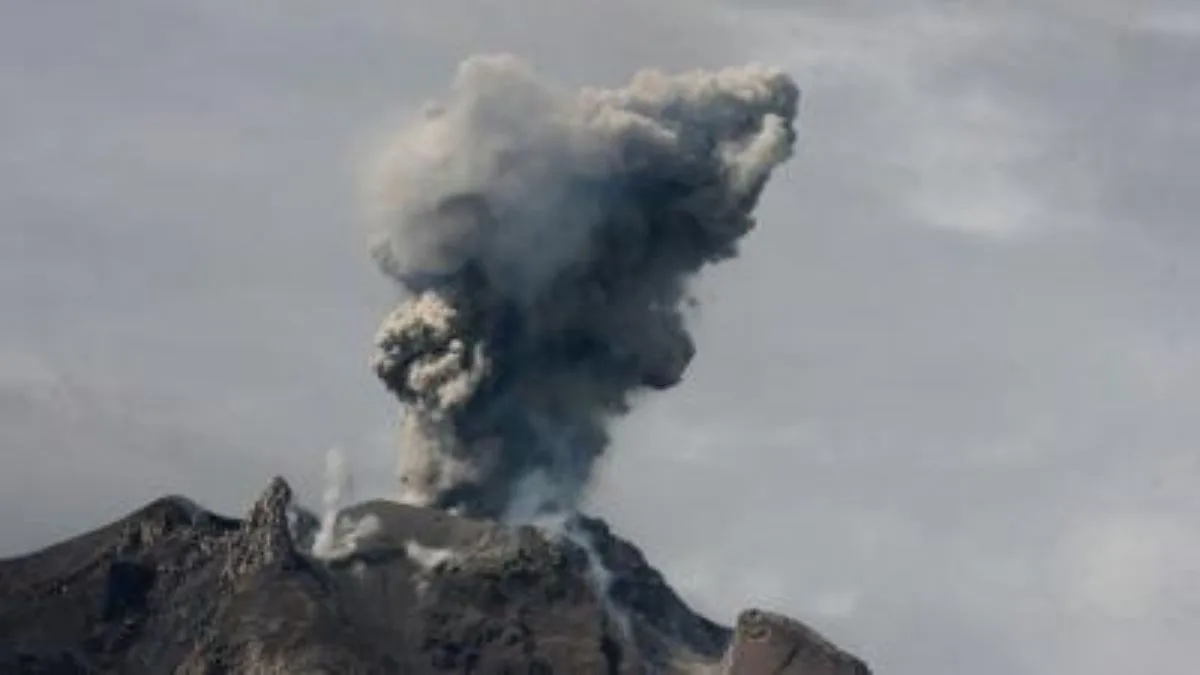
Photo: IANS
A long-dormant volcano in northern Ethiopia erupted this Sunday, disrupting international flight operations, including those to and from India. The Hayli Gubbi volcano in the Afar region burst into activity after lying dormant for roughly 10,000-12,000 years, marking its first known eruption in recorded history. The eruption reportedly sent ash plumes up to about 14 kilometres, which were then carried by high-altitude winds moving at 100–120 km/h across the Red Sea towards Yemen and Oman and towards Indian airspace.
By Monday night, the ash cloud had spread across large parts of northwest India — Rajasthan, Gujarat, Maharashtra, Delhi-NCR and Punjab — which the IMD said on Tuesday was confined to the upper troposphere, meaning it had no impact on local weather or air quality. IMD Director General Mrutyunjay Mohapatra said the plume was already moving eastward and was expected to completely drift towards China by Tuesday evening.
Advertisement
Several carriers cancelled or rescheduled higher altitude international flights on Tuesday due to unsafe airspace conditions. Civil aviation regulator DGCA issued an advisory asking airlines to avoid ash-affected regions, revise fuel and routing plans and report any encounters with volcanic ash.
Advertisement
International flights typically fly at altitudes between 35,000 and 40,000 feet, higher than domestic flights
But volcanic eruptions disrupting air travel are not new.
In 2010, the Eyjafjallajökull volcano in Iceland caused widespread global aviation chaos with more than 100,000 flights being cancelled across Europe due to concerns about volcanic ash damaging aircraft engines, leaving millions of passengers stranded and reported losses of around $1.7 billion to the airline industry.
There are also some recent examples.
Earlier this year, flights at Bali’s I Gusti Ngurah Rai Airport were cancelled after Indonesia’s Mount Lewotobi Laki-Laki erupted, sending a column of ash nearly 10 kilometres into the sky. The eruption, which began around late 2023 continued into 2024, and has displaced thousands of people.
According to the US Geological Survey, about 1,350 volcanoes worldwide are considered potentially active, not counting the continuous chains of volcanoes along mid-ocean ridges. Around 500 of these volcanoes have erupted in historical times, many of them located in the tectonically active Pacific “Ring of Fire”.
Advertisement